

Study abroad at boarding schools in England, America and other countries. Getting secondary education abroad. We will help you find out how to enroll to study abroad at a school abroad
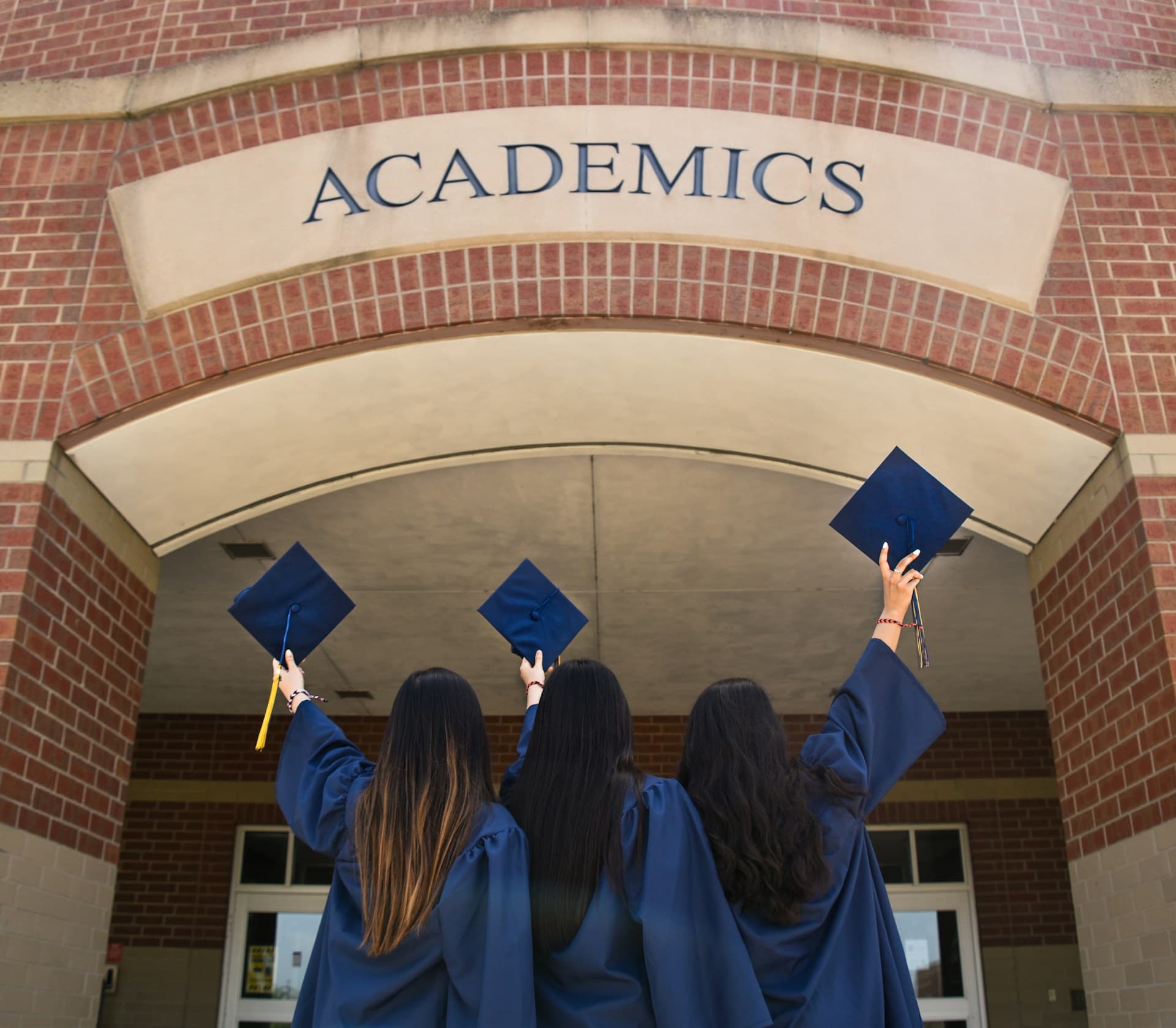
Foreign education is a sign of high quality for many people. Therefore, more and more students and their parents are looking for opportunities to get a sacred diploma from a European or American university, to become an Ivy League graduate. It is easier for local applicants to enroll in the university. In this article, we will compare the secondary education systems in the USA, Canada, and Europe and tell you which schools are more prospective and better to study at.
The school curriculum in the United States is divided into three stages. Primary school is for children over 5 years old. Middle school is grades 6-8, and High School ends in grade 12, when graduates reach adulthood. Students in Europe start their studies even earlier at the age of four.
There is a wide range of private institutions in America, including specialized ones for boys, girls, military, and religious. Unlike European schools, which often have full boarding facilities, US schools offer accommodation with American families.
The state education system is known for its flexibility: the choice of subjects depends on the desire of students and the financial capabilities of the school. Teenagers build their own curriculum, conduct real scientific research, and often play sports professionally.
The curriculum of British schools is in many ways similar to the American one. There is also a personal approach to students, and much attention is paid to career guidance in training. At the age of 16, students begin to prepare for university: the program involves the study of compulsory subjects and 3-4 subjects to choose from. Exams are completed for each of them, the results of which affect admission.
There are from 7 to 20 people in the classes of European schools. In addition to academic subjects, there are many clubs in any institution, from journalism to astronomy, which helps to form a whole personality. Children are taught to think creatively and analyze every event, not just memorize names and dates.
Canada combines the best of European traditions and American progressivism. Significant funds are allocated for the development of the educational sector here, so the latest technologies and developments are widely used in schools. Since Canada is a bilingual country, many institutions teach in English and French at once.
It is worth noting that you can study in public schools in the USA and Canada only by becoming an exchange student for a year in grades 9-12. In private institutions in America, Canada and Europe, tuition is paid. Formally, there is no minimum age limit for foreigners. Meanwhile, most English-speaking schools accept students from other countries only from the age of 11. The selection criteria depend on the degree of the school's elitism. Sometimes, in addition to the standard SSAT or ISEE tests, you need to take additional exams in specialized subjects. But more often, academic performance, motivation, language level, and good recommendations from a previous school are required.
The cost of an overseas education varies depending on the chosen country and the type of school. There are scholarships and financial assistance for international students. However, to understand the programs, you need the help of experts.
It is secondary education abroad that will open up a lot of new prospects for your child. It will help you unlock your potential, teach you self-discipline, applied knowledge and skills.
If you are planning to get a diploma from a foreign school, please contact us for advice.